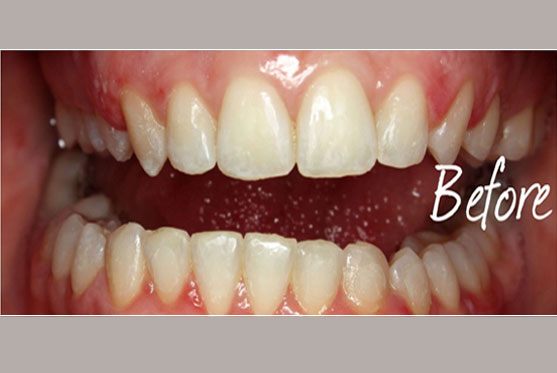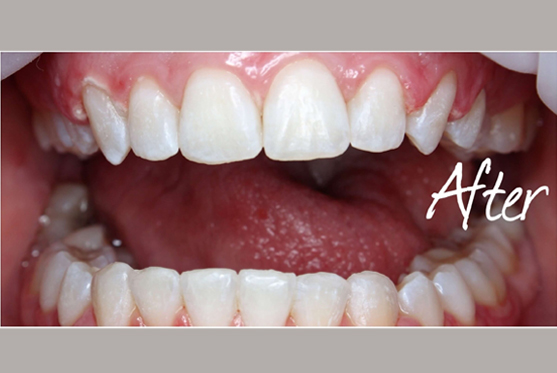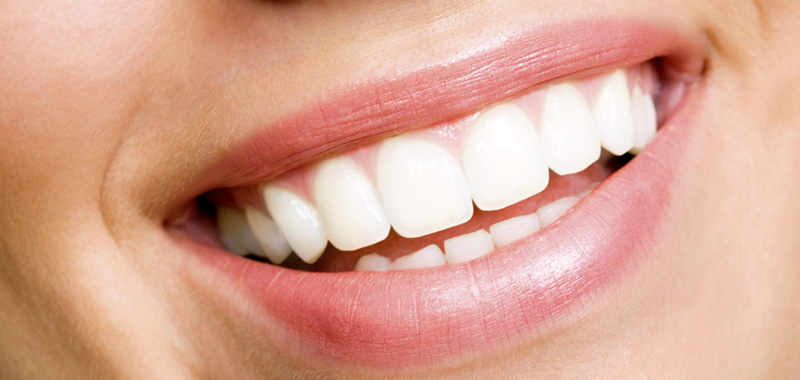
Teeth bleaching (also called teeth whitening) is a cosmetic dental procedure that lightens the color of teeth and removes stains and discoloration. It’s one of the most popular and affordable ways to enhance your smile quickly and safely.
1) Office Bleach - This treatments are
professional
teeth whitening procedures performed in a dental clinic under the
supervision of a dentist.
These procedures use high-concentration bleaching agents, typically hydrogen
peroxide or carbamide peroxide, and are
often accelerated with light or laser technology. The primary advantage of
office bleach is its effectiveness and speed,
offering visibly whiter teeth in just one session. This method is ideal for
individuals with deep stains or those
seeking quick results for special occasions.
Laser Bleach : is a
specialized type of
office bleach treatment that uses a laser or light source to activate the
whitening gel applied
to the teeth. This activation speeds up the chemical reaction of the
bleaching agent, enhancing its effectiveness. Laser
whitening can significantly lighten teeth by several shades in a single
visit, making it one of the most advanced and
efficient whitening options available. However, it is typically more
expensive than other methods.
Normal Bleach : in a
dental office refers to non-laser, professional-grade whitening treatments.
These treatments may involve
custom-fitted trays and a strong bleaching gel applied during a short office
visit. Though not as fast as laser
bleaching, normal office bleach is still highly effective and offers more
controlled and longer-lasting results compared
to over-the-counter options.
2) In-home bleach - refers to teeth whitening treatments
that individuals can use at home, either prescribed by a dentist or bought
over the
counter. These include whitening strips, gels, pens, and trays.
Dentist-prescribed home kits often use
lower-concentration bleaching agents than in-office treatments but are still
quite effective, especially when used
consistently over time. Over-the-counter products are more affordable and
convenient but may not deliver dramatic
results and can sometimes cause gum irritation or tooth sensitivity if not
used properly.
Food and
Drinks: Coffee, tea, wine, and soda
Smoking and Tobacco:
Causes deep stains
Aging: Thinner enamel
reveals yellowish dentin
Poor Dental Hygiene:
Plaque buildup can stain teeth
Medications: Certain
antibiotics or medical treatments
Genetics: Natural tooth
color can vary
Brighter, whiter smile in minimal time
Boosts self-confidence
Safe and supervised when done
professionally
Customizable to your desired shade
Non-invasive (no drilling, no needles)